Is an ergonomic chair necessary? If you sit 8 hours a day, you need to read this.

It's not a luxury…it's a device to prevent long-term health problems.
1. Why is Ergonomic becoming more "essential"?
Today's worker behavior = sitting for longer without realizing it.
Ergonomic research finds that:
- "Non-adjustable" furniture leads to misalignment with the body.
- Increases risk of pain and muscle disorders.
Simply put:
👉 "Regular chair = forces your body to adapt"
👉 "Ergonomic = chair adapts to you"

2. Problems most people face (but don't realize)
-
Slouching / rounded shoulders
-
Chronic lower back pain
-
Fatigue quickly, can't work long
-
Starting to experience Office Syndrome
Importantly… it doesn't happen in one day, but accumulates daily

3. What can Ergonomic help with?
The principle of Ergonomics is: “To adapt things to the body, not to force the body to adapt.”
What an Ergonomic chair can do:
-
Supports the spinal curve (Lumbar support)
-
Adjusts height / recline / armrests to fit your body
-
Reduces pressure and fatigue when sitting for long periods
A chair that “adjusts in multiple ways” will help you sit correctly and reduce fatigue more effectively.

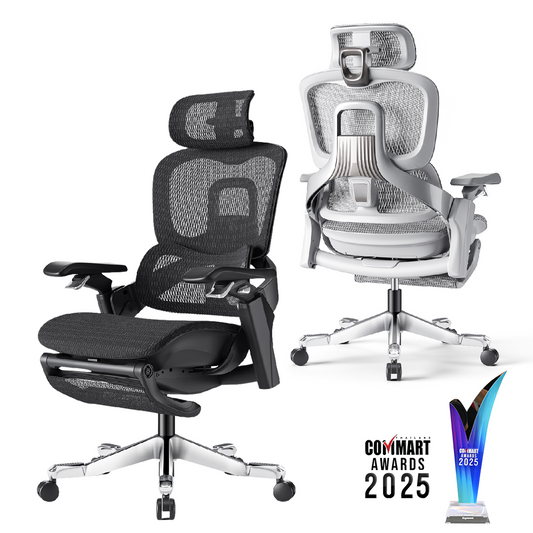
4. Interesting ERGOTREND chair examples
ERGOTREND Konomous Model
Key features suitable for purchase decision:
- Back and lumbar support (addresses main pain points)
- Suitable for computer workers / WFH
- Affordable price (for those starting their health journey)
👉 Highly recommended for people who “are starting to feel pain but don't want to invest heavily”

5. Comparison (cheap vs. Ergonomic)
| What you get | Regular Chair | Ergonomic |
|---|---|---|
| Back support | ❌ Hardly any | ✅ Yes |
| Adjusts to body | ❌ No | ✅ Yes |
| Sitting long hours | ❌ Pain | ✅ More comfortable |
| Long-term effects | ❌ Risk of chronic pain | ✅ Reduces risk |